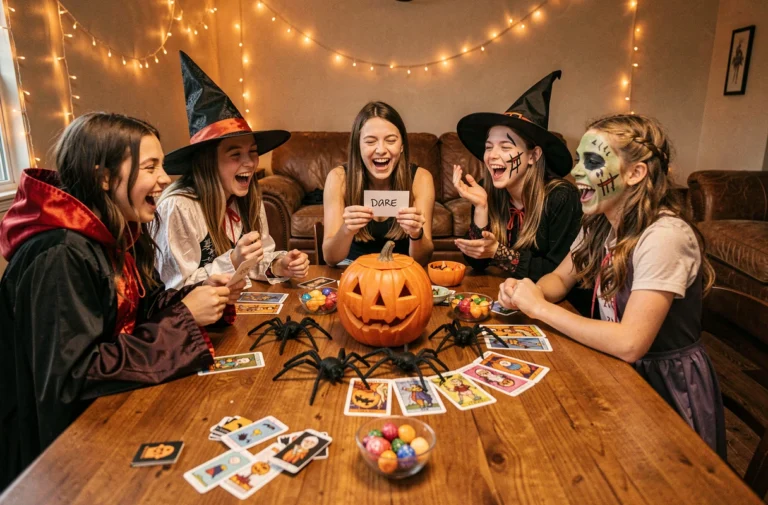
Leisure time is defined as the fraction of the day that escapes professional, domestic, and administrative obligations. In France, this time has significantly increased since the 1980s, according to data from CRÉDOC. The question is not about having it, but knowing what to do with it so that these hours produce a real benefit for cognition, health, or skills.
Cognitive leisure and brain plasticity: what research distinguishes
Science separates two forms of intelligence. Fluid intelligence, largely innate, concerns the ability to solve new problems. Crystallized intelligence, on the other hand, encompasses knowledge and skills acquired over time. It is on this second form that leisure activities have a direct impact.
Reading a complex book, practicing a musical instrument, or learning a foreign language engages working memory and strengthens the neural connections related to language and reasoning. Not all activities are equal: a leisure activity that requires continuous adaptation (deciphering a score, constructing a sentence in an unknown language) stimulates more than a repetitive task mastered for a long time.
To explore different options suited to your interests, the leisure activities on the Ce Qu’il Faut Savoir site offer various categories that cover both manual activities and cultural or sports practices.
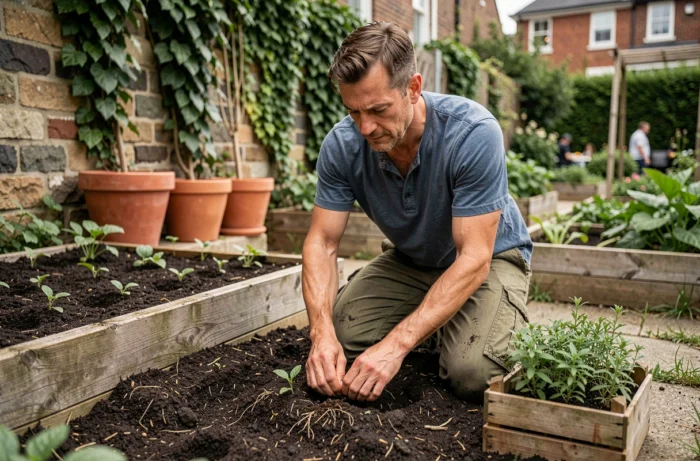
Outdoor physical activities: an underestimated lever for concentration
Cognitive leisure activities are not all practiced while sitting. A recent meta-analysis shows that regular stays in nature improve cognitive performance and mood. Hiking in the forest, climbing, gardening, or kayaking: prolonged contact with a natural environment reduces stress markers and promotes attentional restoration.
Outdoor sports combine two complementary mechanisms. The first is cardiovascular: increased cerebral blood flow during exertion promotes neurogenesis. The second is sensory: a changing environment (terrain, weather, wildlife) forces the brain to continuously process new information, unlike a treadmill indoors.
Three criteria for choosing a stimulating physical activity
- A level of motor complexity that evolves with practice, such as bouldering where each route requires a different reading of movements
- A variable natural setting (hiking trails, whitewater courses) rather than a closed and repetitive circuit
- A social or cooperative dimension, for example, group outdoor sports that add a layer of interpersonal coordination
AI-personalized digital leisure: opportunity or passive trap
Artificial intelligence is now massively shaping the digital leisure of the French. Recommendation systems direct users towards strategy games, brain training apps, or educational platforms based on each user’s profile. This algorithmic personalization transforms the way leisure time is constructed.
The risk is identifiable: an algorithm optimizes engagement, not cognitive stimulation. A quiz app may seem educational while keeping the player in a comfort zone where questions remain easy to increase time spent. The difference between a stimulating digital leisure activity and passive entertainment often comes down to one parameter: does the difficulty actually increase over time?
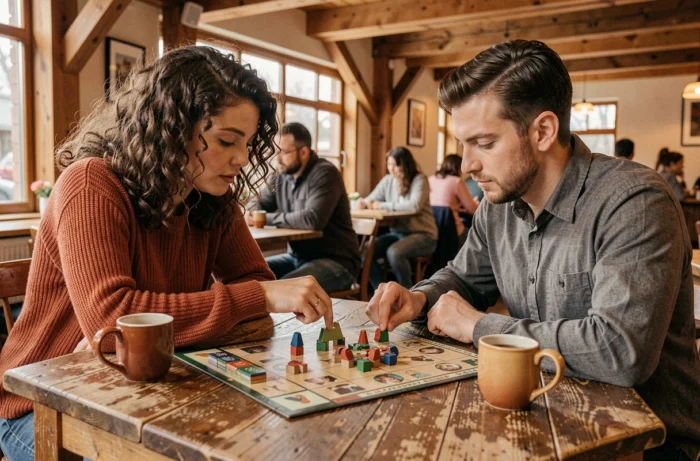
Differentiating real stimulation and the illusion of learning
An online language course that adjusts grammatical difficulty as vocabulary progresses belongs to the first category. A mobile game that rewards consistency without ever complicating the challenges falls into the second. The key is to check, after a few weeks, whether the activity produces a feeling of moderate difficulty, a sign that the brain is still working.
Cognitive stimulation for seniors: a challenge of the silver economy
The segment of people over sixty represents a particular case in the choice of leisure activities. The silver economy explicitly identifies new technologies as tools for cognitive stimulation and maintenance of abilities in seniors. Virtual reality, digital workshops, augmented board games: these devices are not aimed at pure entertainment but at slowing cognitive decline related to age.
Collective workshops (painting classes, reading groups, choirs) play a complementary role. They add a social dimension whose effects on mental health are documented: reduction of feelings of isolation, maintenance of episodic memory through shared storytelling, reinforcement of motivation through regular engagement with a group.
Occupational balance and mental health
Post-pandemic mental health research has highlighted the notion of occupational balance: the harmonious distribution between productive activities, rest activities, and leisure activities. An imbalance, even in favor of leisure, produces negative effects. Accumulating hours of video games or reading without any physical activity or social interaction degrades overall well-being.
- Alternate activities during the same week: a solitary cognitive leisure activity (reading, programming), a physical leisure activity, and a social leisure activity
- Limit passive digital sessions to a defined duration, then switch to a manual or physical activity
- Regularly reassess whether each leisure activity still generates perceptible learning or if it has become a mere routine
The best-utilized free time is not the one filled with the most activities, but the one where each slot engages a different function. Varying cognitive, physical, and social activities remains the most reliable principle for deriving lasting benefits from available hours.